After the Storm: How to Check Your Home for Water Damage Year Round
After the Storm: How to Check Your Home for Water Damage Year Round
Storm damage is not always obvious right away. After heavy rain, high winds, snow, ice, or rapid thawing, water can find its way into your home through small openings, weak spots, foundation cracks, roof damage, clogged gutters, or saturated soil.
The problem is that some signs of water damage do not show up immediately. A ceiling stain, musty odor, soft drywall, or warped flooring may appear days or even weeks after the storm. By that point, moisture may already be trapped behind walls, under flooring, in insulation, or inside your crawlspace.
Knowing what to check after severe weather can help you catch water damage early, reduce the risk of mold growth, and protect the structure of your home.
Here is how to assess your home for storm related water damage throughout the year.
Why Storm Water Damage Can Be Hard to Spot
After a storm, many homeowners only check for obvious damage, such as missing shingles, standing water, or a flooded basement. Those are important, but hidden moisture can be just as serious.
Water can enter through:
- Damaged roof areas
- Loose or missing shingles
- Cracked flashing
- Clogged gutters
- Window wells
- Foundation cracks
- Basement walls
- Crawlspaces
- Poor exterior grading
- Sump pump failure
- Storm damaged siding
- Frozen or burst pipes
Even when the visible water is gone, moisture can remain inside building materials. That trapped moisture can lead to mold, odors, damaged drywall, weakened flooring, and long term structural problems.
Winter: Ice, Meltwater, and Attic Moisture
Winter storms can create serious water damage risks, especially when snow, ice, and freezing temperatures are involved. Ice dams, frozen pipes, and freeze thaw cycles can all allow water to enter places it should not.
After a snowstorm, ice buildup, or extended freezing weather, start by checking your attic, roofline, basement, and crawlspace.
Look for:
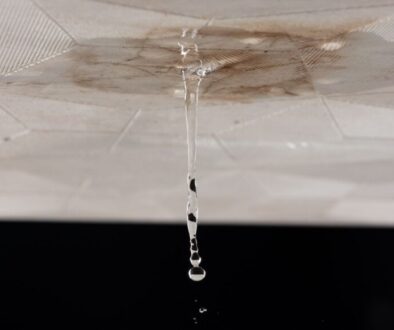
- Water stains around ceilings, vents, skylights, or chimneys
- Wet insulation in the attic
- Musty odors near the attic or upper rooms
- Icicles or ice buildup along gutters
- Peeling paint near ceiling corners
- Discoloration on walls or ceilings
- Puddles in the basement or crawlspace
- Soft drywall or swollen trim
- Signs of frozen or burst pipes
Ice dams are especially important to watch for. When heat escapes into the attic, snow on the roof can melt and refreeze near the roof edge. This can block drainage and force water under shingles, leading to attic leaks, ceiling stains, and hidden moisture.
If your home has had frozen pipe issues before, inspect areas around plumbing lines carefully. Pipes in crawlspaces, basements, garages, exterior walls, and under cabinets are more vulnerable during cold weather.
Spring: Heavy Rain, Saturated Soil, and Foundation Seepage
Spring often brings prolonged rain, rising water tables, and saturated soil. This can put pressure on your foundation and increase the risk of basement leaks, crawlspace moisture, and sump pump problems.
During the spring months, check your foundation, basement, crawlspace, gutters, downspouts, and grading around your home.
Look for:
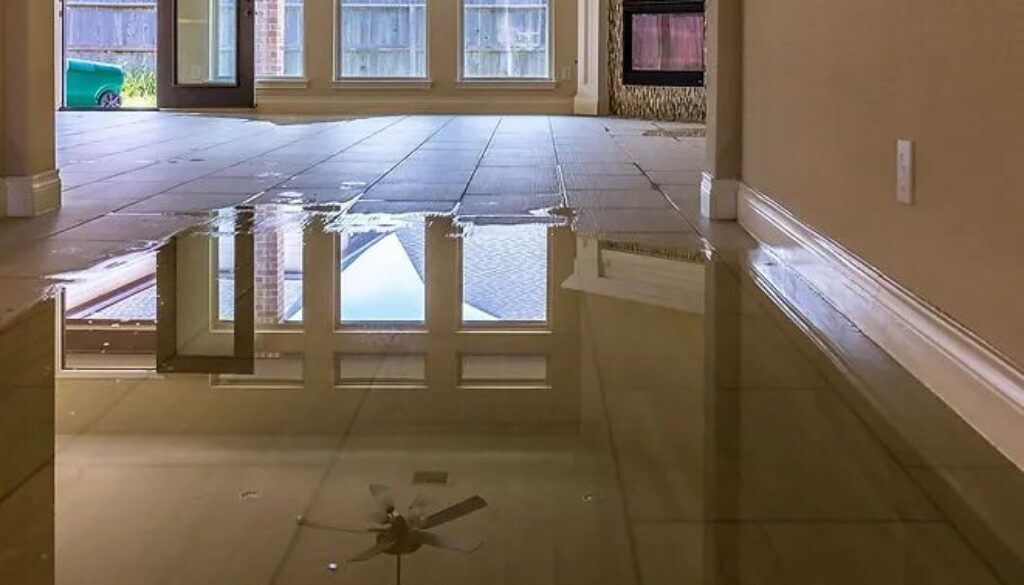
- Standing water near the home’s foundation
- Damp basement walls
- Water stains on concrete or drywall
- White chalky deposits on basement walls
- Musty odors under stairs or behind stored items
- Water entering through window wells
- A sump pump running constantly
- A sump pump that fails to turn on
- Soft flooring or wet carpet near exterior walls
- Moisture in the crawlspace
White chalky deposits on basement walls are often called efflorescence. This can be a sign that moisture is moving through masonry or concrete surfaces. While it may look harmless, it can point to a larger moisture issue.
Also pay attention to exterior drainage. If water pools around your home after rain, it can eventually seep into the basement or crawlspace. Downspouts should direct water away from the foundation, not dump it right beside the house.
Summer: Storms, Humidity, and Hidden Moisture
Summer storms can bring heavy rain, wind driven water, and high humidity. Even when flooding does not occur, moisture can enter through damaged roofing, siding, windows, doors, or foundation areas.
After strong summer storms, check for:
- Roof leaks
- Ceiling stains
- Wet carpet near windows or doors
- Musty smells in closed rooms
- Moisture around basement walls
- Condensation or high humidity indoors
- Water intrusion around window frames
- Damp crawlspace areas
- Storm-damaged siding or flashing
High humidity can make water damage worse because damp materials dry more slowly. If your home already has a crawlspace or basement moisture issue, summer humidity can create the perfect conditions for mold growth and odor.
A room that smells musty after a storm should not be ignored. That odor may mean moisture is trapped somewhere you cannot see.
Fall: Clogged Gutters, Roof Wear, and Drainage Problems
Fall is the time to prepare your home for colder weather, but it is also a common season for drainage problems. Leaves, branches, and debris can clog gutters and downspouts, forcing water to overflow near the roofline or foundation.
Before and after fall storms, inspect:
- Gutters and downspouts
- Roof valleys
- Exterior walls
- Basement corners
- Crawlspace access areas
- Window wells
- Foundation cracks
- Ceiling corners and attic spaces
Clogged gutters can send water behind fascia boards, into soffits, down exterior walls, or directly against the foundation. Over time, this can lead to wood rot, leaks, basement seepage, and mold concerns.
Fall is also a smart time to check your attic and crawlspace before winter hits. A small moisture problem now can become a much bigger issue once snow, ice, and freezing temperatures arrive.
What If You Find Water Damage?
If you notice moisture, staining, soft materials, standing water, or a musty smell, take action quickly. Water damage does not fix itself, and fans alone are usually not enough when water has moved behind drywall, under flooring, into insulation, or inside structural materials.
Steps to take include:
- Stop the source of water if it is safe to do so
- Avoid contact with contaminated water
- Move valuables away from wet areas
- Document visible damage with photos
- Do not remove materials without understanding the extent of the damage
- Call a professional water damage restoration company
Moisture can spread beyond the area you see. Professional equipment can help detect hidden water, measure moisture levels, extract standing water, dry affected materials, and reduce the risk of mold growth.
Why Fast Water Damage Restoration Matters
The longer water sits, the more damage it can cause. Wet drywall, carpet, insulation, wood, and flooring can quickly become breeding grounds for mold and bacteria. Delayed cleanup may also increase repair costs and lead to more material removal.
Professional water damage restoration may include:
- Water extraction
- Moisture inspection
- Structural drying
- Dehumidification
- Removal of damaged materials
- Cleaning and sanitizing
- Odor control
- Mold prevention
- Crawlspace or basement moisture control
- Documentation for insurance purposes
At RestorationRX, we help homeowners and businesses respond quickly after storms, leaks, flooding, and moisture problems. Our team can inspect the damage, identify affected areas, dry the structure properly, and help protect your property from further damage.
Call RestorationRX After Storm Related Water Damage
Storm damage can be obvious, or it can hide behind walls, under floors, in attics, basements, and crawlspaces. If your home has been affected by heavy rain, high winds, snow, ice, flooding, or moisture intrusion, it is better to check early than wait for the damage to spread.
RestorationRX provides professional water damage restoration, storm damage cleanup, mold remediation, sewage cleanup, moisture control, crawlspace solutions, basement waterproofing, and fire and smoke damage restoration services.
When the storm passes, do not let hidden water damage stick around.
Contact RestorationRX today for a professional water damage inspection and restoration support.