5 Signs You May Have Hidden Mold in Your Home
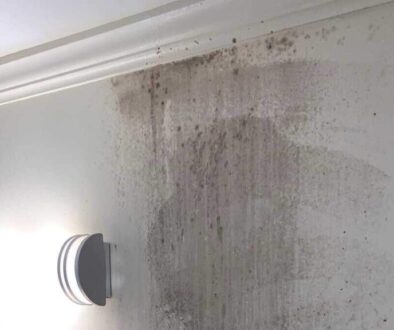
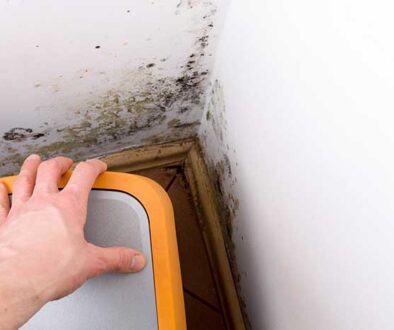
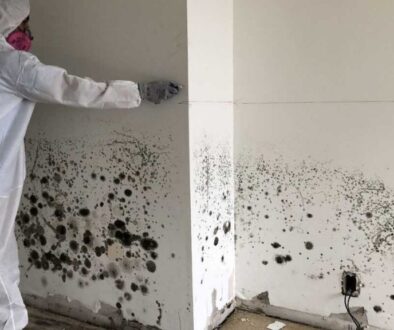
Mold does not always show up as a black patch on the wall. In many homes, it starts in places you cannot easily see, behind drywall, under flooring, inside HVAC systems, above ceilings, in attics, basements, or crawlspaces.
By the time mold becomes visible, it may have already been growing for weeks. Catching the early warning signs can help protect your home, reduce repair costs, and prevent the problem from spreading.
If you own a home or business in Morehead, Ashland, Pikeville, Prestonsburg, Portsmouth, Chillicothe, Marietta, Ripley, Charleston, Hurricane, or nearby areas, here are five signs that may point to hidden mold.
Can You Have Mold Without Seeing It?
Yes. Hidden mold is common after leaks, storm damage, plumbing issues, high humidity, roof damage, sewage backups, or water intrusion.
Mold needs moisture, an organic surface, and the right conditions to grow. Drywall, wood, insulation, dust, carpet padding, and ceiling materials can all support mold growth once moisture is present.
Common hiding places include:
Behind drywall near showers, tubs, and sinks
Under carpet or flooring after a leak
Behind washing machines and refrigerators
Inside HVAC ducts or around air handlers
Above ceiling stains
Inside attic insulation or roof decking
Around leaking windows
In damp basements or crawlspaces
You may not see the mold at first, but your home will often show warning signs.
Sign 1: A Persistent Musty Smell
A musty, earthy odor is one of the most common signs of hidden mold. If one room smells damp or stale even after cleaning, there may be moisture or microbial growth nearby.
Pay attention to smells that:
Get stronger when the HVAC system turns on
Are worse in one room or area
Come from a basement, crawlspace, bathroom, laundry room, or attic
Return shortly after cleaning or using air fresheners
A smell alone cannot tell you what type of mold is present, but it is a strong reason to investigate further.
Sign 2: Allergy or Respiratory Symptoms That Get Worse Indoors
Mold can affect indoor air quality and may trigger symptoms such as congestion, coughing, throat irritation, wheezing, eye irritation, or skin irritation.
The pattern matters. If symptoms get worse at home, improve when you leave, or flare up in one specific room, hidden mold or another indoor air issue may be involved.
This is especially important for people with asthma, allergies, respiratory sensitivity, young children, older adults, or anyone with a weakened immune system.
Sign 3: Water Stains, Peeling Paint, or Warped Materials
Hidden mold almost always starts with moisture. Even when mold is not visible, the water damage often leaves clues.
Look for:
Yellow or brown ceiling stains
Paint that bubbles, blisters, or peels
Soft or spongy drywall
Warped baseboards or trim
Buckling wood floors
Darkened grout lines
Wallpaper lifting at the seams
Staining around windows or exterior walls
If a material stayed damp for more than 24 to 48 hours, mold growth becomes a real concern. The longer moisture sits, the more likely the damage will spread behind the surface.
Sign 4: High Humidity or Condensation
High indoor humidity can create conditions where mold grows even without a major leak. Basements, crawlspaces, bathrooms, laundry rooms, and poorly ventilated areas are especially vulnerable.
Watch for:
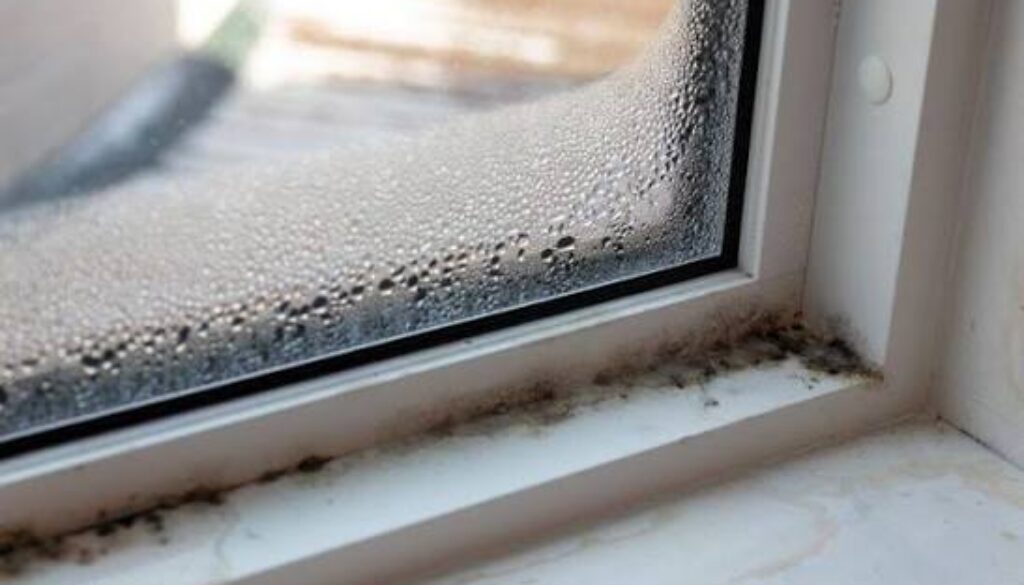
Condensation on windows
Damp basement walls
A clammy feeling indoors
Moisture on pipes or toilet tanks
Musty odors near vents
Damp crawlspace insulation or wood
Rust or staining around HVAC equipment
If your home feels cool but damp, your HVAC system may not be removing enough moisture from the air. Poor drainage, clogged condensate lines, oversized systems, or crawlspace moisture can all contribute to the problem.
Sign 5: A History of Leaks, Flooding, or Drainage Problems
Past water damage is one of the strongest warning signs for hidden mold.
You should be cautious if your home has recently had:
A roof leak
A burst pipe
A dishwasher, washing machine, or water heater leak
A toilet overflow
A sump pump failure
Basement flooding
Storm water intrusion
Crawlspace moisture
An HVAC drain pan overflow
Previous water cleanup without professional drying
Even if the area looks dry now, moisture may have reached drywall, insulation, wood framing, flooring, or other porous materials. If those materials were not dried properly, mold may still be present behind the surface.
Where to Check for Hidden Mold
You do not need to tear your home apart to look for mold. Start by checking the areas most likely to hold moisture.
Bathrooms
Check under sinks, behind toilets, around tubs and showers, near failed caulk, inside vanity cabinets, and around plumbing access panels.
Kitchens
Look under the sink, behind the refrigerator, near the dishwasher, around the disposal cabinet, and under any area connected to supply lines or drains.
Laundry Areas
Inspect behind and beneath the washing machine, around supply hoses, behind the dryer, and near walls that feel damp or smell musty.
HVAC Systems
Check around the air handler, drain pan, supply vents, return grille, and any ceiling or floor below HVAC equipment.
Attics
Use a flashlight to look for roof decking stains, wet insulation, dark streaks, or musty odors near vents, chimneys, or past leak areas.
Basements and Crawlspaces
Look for standing water, damp wood, wet insulation, mold like staining, musty odors, efflorescence on concrete, and signs of poor drainage.
When to Call RestorationRX
If you notice two or more warning signs in the same area, or if you know your home had water damage that was never professionally dried, it is time to bring in a professional.
You should also call if you see visible mold, smell persistent musty odors, find damp building materials, or suspect hidden moisture behind walls, floors, ceilings, or crawlspace areas.
RestorationRX provides professional mold remediation, water damage restoration, moisture control, crawlspace solutions, basement waterproofing, sewage cleanup, and storm damage restoration.
We serve homeowners and businesses across Morehead, Ashland, Pikeville, Prestonsburg, Portsmouth, Chillicothe, Marietta, Ripley, Charleston, Hurricane, and surrounding areas.
If something smells off, looks damp, or feels wrong, do not wait for the mold to announce itself.
Contact RestorationRX today for professional mold and water damage restoration support.