How to Assess Water Damage in Your Home
Water damage is not always obvious at first. A small leak behind a wall, moisture under flooring, or dampness in a crawlspace can slowly turn into a much bigger problem if it is not found early.
Catching water damage in the early stages can help you avoid costly repairs, mold growth, structural issues, and damage to your belongings. Whether you own a home or business in Ashland, Morehead, Pikeville, Prestonsburg, Portsmouth, Chillicothe, Marietta, Ripley, Charleston, Hurricane, or a nearby area, knowing what to look for can help you act before the damage spreads.
Here are some of the most common signs of water damage and what to do if you notice them.
Early Signs of Water Damage
Discoloration and Stains
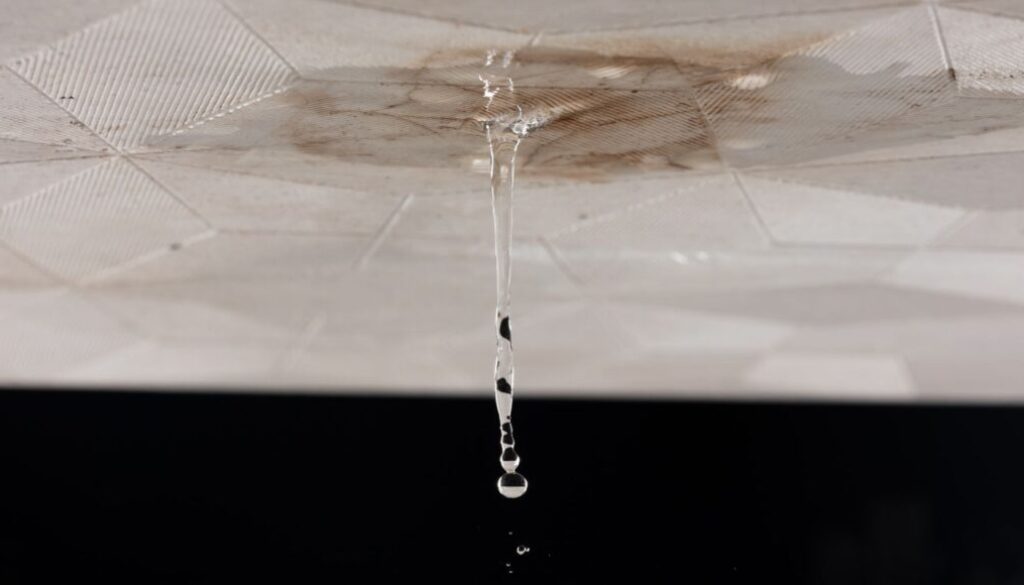
Brown, yellow, or dark stains on walls, ceilings, or floors are common signs of water damage. These stains may appear after a roof leak, plumbing issue, appliance leak, or hidden moisture problem.
Pay close attention to areas around washing machines, dishwashers, refrigerators, water heaters, sinks, toilets, ceilings, basements, and exterior walls. If the stain grows, darkens, or returns after cleaning, there may still be moisture behind the surface.
Warped or Buckled Flooring
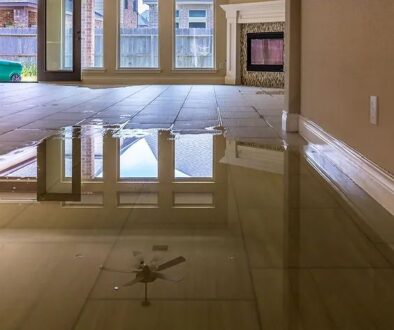
Flooring can show water damage before the source is obvious. Hardwood may cup or buckle, laminate may swell, tile may loosen, and carpet may feel damp or develop odors.
If part of your floor feels uneven, soft, raised, or spongy, water may be trapped underneath. This should be checked quickly, especially if the area is near a bathroom, kitchen, laundry room, basement, crawlspace, or exterior door.
Musty Odors
A musty smell is one of the easiest warning signs to ignore. Do not.
Musty odors often point to hidden moisture, mold growth, or water damage behind walls, under floors, in attics, basements, crawlspaces, cabinets, or HVAC areas.
If one room smells damp even after cleaning, there may be a moisture issue that needs professional attention.
Visible Mold
Mold is a strong sign that moisture is present. It may appear as dark spots, fuzzy patches, discoloration, or staining on walls, ceilings, trim, flooring, or around vents.
Mold often grows in damp, dark, poorly ventilated spaces. Bathrooms, basements, crawlspaces, kitchens, laundry rooms, and areas affected by leaks are common trouble spots.
If mold keeps coming back after cleaning, the moisture source has not been solved.
Peeling Paint or Bubbling Wallpaper
When drywall absorbs moisture, paint and wallpaper can bubble, peel, crack, or blister. This may mean water is collecting behind the wall.
Look for these signs near windows, ceilings, baseboards, bathrooms, kitchens, laundry areas, and exterior walls. The visible surface may look minor, but the damage behind it can be worse.
Higher Water Bills
A sudden increase in your water bill may point to a hidden plumbing leak. If your water usage has not changed but the bill has gone up, check toilets, faucets, supply lines, water heaters, crawlspaces, basements, and areas around appliances.
Hidden leaks can cause serious water damage before you ever see standing water.
What to Do If You Suspect Water Damage
If you think your home has water damage, quick action matters. Moisture can spread into drywall, insulation, wood, flooring, and other materials faster than most homeowners realize.
Start with these steps:
Inspect your home regularly for stains, odors, damp spots, mold, and flooring changes.
Check hidden areas such as crawlspaces, attics, basements, cabinets, and behind appliances.
Touch suspicious areas carefully. If a wall, floor, or trim feels damp, soft, or swollen, investigate further.
Repair leaks as soon as possible. Waiting can lead to more damage and higher repair costs.
Call a professional if the issue is hidden, widespread, recurring, or connected to mold, sewage, storm damage, or structural materials.
Why Professional Water Damage Restoration Matters
Water damage restoration is not just about drying what you can see. Moisture can hide under flooring, behind drywall, inside cabinets, in insulation, and throughout crawlspaces or basements.
Professional restoration may include:
- Moisture inspection
- Water extraction
- Structural drying
- Dehumidification
- Removal of damaged materials
- Cleaning and sanitizing
- Mold prevention
- Odor control
- Insurance documentation
RestorationRX helps homeowners and businesses identify water damage, dry affected areas, and prevent further damage to the property.
Call RestorationRX for Water Damage Restoration
If you notice stains, musty odors, warped flooring, visible mold, peeling paint, or signs of a hidden leak, do not wait for the problem to get worse.
RestorationRX provides professional water damage restoration, mold remediation, moisture control, crawlspace solutions, basement waterproofing, sewage cleanup, storm damage restoration, and fire and smoke damage cleanup.
We serve Ashland, Morehead, Pikeville, Prestonsburg, Portsmouth, Chillicothe, Marietta, Ripley, Charleston, Hurricane, and surrounding areas.
If something looks wet, smells musty, or feels wrong, there is probably a reason.
Contact RestorationRX today for professional water damage restoration support.