Is Your Home Emergency Ready?
Seconds matter when disaster strikes. Severe storms, flash flooding, burst pipes, sewage backups, mold growth, and fire damage can happen with little warning. While you cannot prevent every emergency, you can take smart steps to protect your home, reduce damage, and make recovery easier.
For homeowners and businesses in Ashland, Morehead, Pikeville, Prestonsburg, Portsmouth, Chillicothe, Marietta, Ripley, Charleston, Hurricane, and surrounding areas, emergency preparedness is not just about having supplies. It is also about knowing where your risks are and who to call when cleanup and restoration are needed.
Here are practical ways to help make your home emergency ready.
Storm and Flood Preparedness
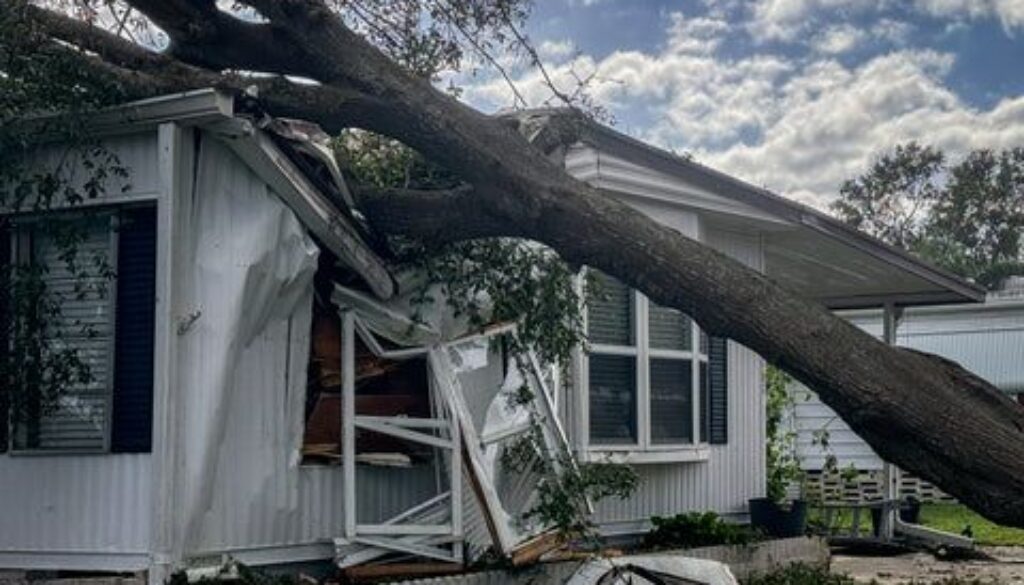
Heavy rain, high winds, saturated soil, and power outages can quickly lead to property damage. Before severe weather arrives, take time to check the areas most likely to fail first.
Start with these steps:
Clean gutters and downspouts so water can drain away from your home.
Make sure downspouts direct water away from the foundation.
Check your basement or crawlspace for signs of moisture.
Consider a sump pump with battery backup if your home is prone to water intrusion.
Keep sandbags or flood barriers ready for low areas around the property.
Trim weak branches near the roof, windows, and power lines.
Look for roof damage, loose shingles, or problem areas around flashing.
Storm damage is not always obvious right away. Water can seep behind walls, under flooring, into crawlspaces, or through foundation areas before you notice visible damage. After severe weather, check your home for stains, musty odors, damp materials, warped flooring, or standing water.
Preventing Water Damage Inside the Home
Not every water emergency starts outside. Many water damage problems come from plumbing leaks, appliance failures, frozen pipes, water heater issues, or hidden moisture behind walls.
To reduce your risk:
Check washing machine, dishwasher, refrigerator, and water heater connections.
Replace cracked, worn, or leaking hoses.
Know where your main water shutoff valve is located.
Insulate exposed pipes in cold areas.
Watch for stains, peeling paint, soft drywall, or musty odors.
Inspect under sinks, behind appliances, in basements, and inside crawlspaces.
Do not ignore small leaks. A slow drip can damage drywall, flooring, cabinets, insulation, and wood framing over time. If moisture sits too long, mold can begin to grow and the cleanup can become more expensive.
Mold Prevention and Moisture Control
Mold prevention starts with moisture control. After water damage, flooding, sewage backup, or high humidity, mold can grow on drywall, wood, carpet, insulation, ceiling materials, and stored belongings.
To help reduce mold risk:
Keep indoor humidity under control.
Use bathroom and kitchen exhaust fans.
Dry wet areas quickly.
Fix leaks as soon as they appear.
Keep crawlspaces and basements dry.
Avoid storing cardboard or fabric directly against damp walls or floors.
Call a professional if musty odors or moisture keep returning.
If your home smells musty after a storm or leak, there is usually a reason. The source may be hidden behind walls, under flooring, in an attic, basement, or crawlspace.
Fire Safety and Prevention
Fire damage can spread quickly and leave behind smoke, soot, ash, odor, structural damage, and water damage from firefighting efforts. A few simple habits can help reduce the risk.
Make sure you:
Test smoke alarms monthly.
Replace smoke alarm batteries as needed.
Keep fire extinguishers in key areas, especially the kitchen and near fireplaces.
Avoid overloading outlets.
Replace damaged cords.
Clean dryer vents regularly.
Keep flammable items away from heaters, stoves, and fireplaces.
Create and practice a family evacuation plan.
After a fire, do not reenter the property until it has been declared safe. Smoke, soot, weakened materials, electrical hazards, and contaminated air can make the structure dangerous even after the flames are out.
Quick Emergency Preparedness Checklist
A prepared home should have the basics ready before trouble shows up.
Keep these items available:
Water and nonperishable food
Flashlights and batteries
First aid supplies
Phone chargers or power banks
Medications and essential personal items
Copies of important documents
Insurance information
Emergency contact numbers
A waterproof and fire resistant document safe
A family evacuation plan
It is also smart to keep RestorationRX’s contact information saved before you need it. During an emergency, you do not want to be scrolling around trying to remember which company handles water, fire, mold, sewage, storm damage, and crawlspace issues.
Why Fast Restoration Matters
Even with preparation, disasters can still happen. When they do, fast cleanup and restoration can help reduce further damage.
Professional restoration may include:
Water extraction
Structural drying
Mold remediation
Smoke and soot cleanup
Odor removal
Sewage cleanup
Storm damage restoration
Moisture control
Crawlspace solutions
Basement waterproofing
Fire and smoke damage restoration
RestorationRX helps homeowners and businesses respond after water damage, mold problems, fire damage, sewage backups, storms, flooding, and moisture related issues.
Call RestorationRX Before Damage Gets Worse
Emergency readiness starts before disaster strikes, but recovery starts with the right help.
RestorationRX provides professional water damage restoration, mold remediation, fire and smoke damage restoration, sewage cleanup, storm damage cleanup, crawlspace encapsulation, basement waterproofing, and moisture control services.
We serve Ashland, Morehead, Pikeville, Prestonsburg, Portsmouth, Chillicothe, Marietta, Ripley, Charleston, Hurricane, and surrounding areas.
If your home has been affected by water, fire, mold, sewage, storms, or moisture damage, do not wait for the problem to spread.
Contact RestorationRX today for fast, professional cleanup and restoration support.