Where Does Mold Come From?
Where Does Mold Come From?
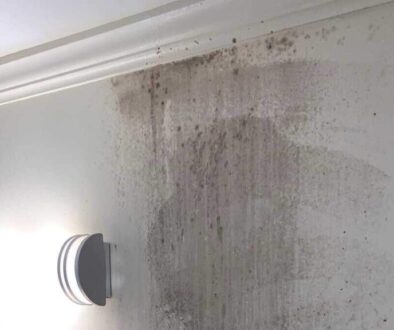
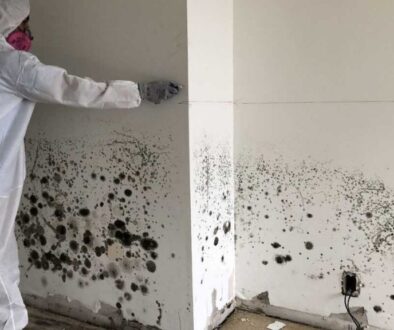
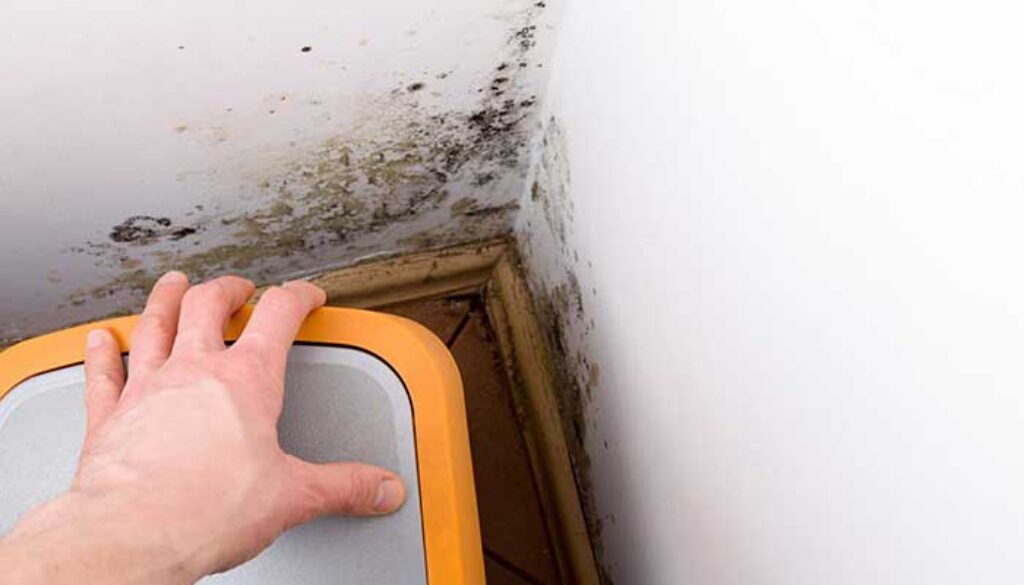
Mold can feel like it appeared out of nowhere, but it does not just randomly show up. Mold comes from tiny spores that are naturally present in the air, both indoors and outdoors. These spores are always around, but they only become a problem when they land in the right conditions.
The main trigger is moisture.
When mold spores find a damp surface, a food source, and the right temperature, they can begin to grow. That is why mold is often found after water damage, plumbing leaks, roof leaks, basement moisture, crawlspace humidity, storm damage, sewage backups, or poor ventilation.
For homeowners and businesses in Ashland, Morehead, Pikeville, Prestonsburg, Portsmouth, Chillicothe, Marietta, Ripley, Charleston, Hurricane, and nearby areas, understanding where mold comes from can help you prevent it before it spreads.
Mold Starts With Spores
Mold reproduces by releasing microscopic spores into the air. These spores are too small to see and can travel through open doors, windows, HVAC systems, clothing, shoes, pets, and even normal airflow inside the home.
Having mold spores in your home does not automatically mean you have a mold problem. The problem starts when those spores settle on a damp surface and begin to grow.
Common indoor materials mold can grow on include:
Drywall
Wood
Insulation
Carpet and padding
Ceiling tiles
Cardboard
Wallpaper
Fabric
Dust and debris
Subflooring
Crawlspace materials
Mold does not need much encouragement. Give it moisture, and it gets ambitious.
Moisture Is the Real Problem
Mold growth almost always points back to a moisture issue. Without moisture, mold cannot actively grow.
Common moisture sources include:
Roof leaks
Burst pipes
Slow plumbing leaks
Appliance leaks
Toilet overflows
Water heater leaks
Basement seepage
Crawlspace moisture
Sump pump failure
High indoor humidity
Storm water intrusion
Flooding
Poor ventilation
HVAC drainage problems
Sometimes the moisture source is obvious, like a flooded basement or a burst pipe. Other times, it hides behind walls, under flooring, above ceilings, or inside crawlspaces for weeks before anyone notices.
That is why musty odors, stains, peeling paint, warped floors, and soft drywall should never be ignored.
Where Mold Commonly Comes From Inside a Home
Mold can grow almost anywhere moisture is present, but some areas are more vulnerable than others.
Bathrooms
Bathrooms are one of the most common places for mold because they deal with constant moisture. Showers, tubs, sinks, toilets, poor ventilation, and failed caulk can all create damp conditions.
Check around:
Shower walls
Tub surrounds
Toilet bases
Sink cabinets
Vanities
Exhaust fans
Ceilings
Grout lines
Plumbing access panels
If the bathroom does not dry properly after use, mold can grow on surfaces or behind walls.
Kitchens
Kitchens have several water sources in a small area. A slow leak under the sink, behind the refrigerator, or near the dishwasher can cause mold before the homeowner sees visible water.
Common kitchen trouble spots include:
Under the sink
Behind the dishwasher
Behind or under the refrigerator
Around icemaker lines
Inside cabinets
Near garbage disposals
Around baseboards
A small drip can turn into a bigger mold issue if it reaches wood, drywall, or flooring.
Basements
Basements are vulnerable because they sit below ground level. Water can enter through foundation cracks, saturated soil, poor drainage, window wells, or sump pump failure.
Signs of basement moisture include:
Musty odors
Damp walls
Water stains
White chalky deposits on concrete
Standing water
Soft drywall
Mold on stored items
High humidity
If a basement smells musty, there is usually a moisture reason behind it.
Crawlspaces
Crawlspaces are often out of sight, which makes them easy to ignore. Unfortunately, they are one of the most common places for hidden moisture and mold.
Mold in a crawlspace can come from:
Ground moisture
Poor ventilation
Plumbing leaks
Standing water
Wet insulation
Open vents
Poor drainage
High humidity
Because air from the crawlspace can move into the living areas of the home, crawlspace mold and moisture can affect indoor comfort and air quality.
Attics
Attic mold is often caused by roof leaks, poor ventilation, bathroom fans venting into the attic, or condensation.
Watch for:
Dark stains on roof decking
Wet insulation
Musty smells
Ceiling stains below the attic
Moisture around vents or chimneys
Poor airflow
A small roof leak or ventilation problem can create the right conditions for mold above your ceiling.
HVAC Systems
Mold can also develop around HVAC systems when moisture and dust collect inside equipment, ductwork, drain pans, or vents.
Possible signs include:
Musty smells when the system turns on
Condensation around vents
Staining near supply registers
Moisture near the air handler
Clogged condensate lines
High indoor humidity
If your home smells musty when the AC or heat turns on, the HVAC system or nearby materials should be checked.
Can Mold Come From Water Damage?
Yes. Water damage is one of the most common causes of mold growth.
After a leak, flood, sewage backup, or storm event, moisture can soak into drywall, insulation, carpet, flooring, cabinets, and wood framing. If those materials are not dried properly, mold can begin growing in hidden areas.
Common water damage situations that can lead to mold include:
A burst pipe that was only mopped up
A roof leak that stained the ceiling
A dishwasher or washing machine leak
A flooded basement
A toilet overflow
Storm water entering the home
A crawlspace that stays damp
A sump pump failure
A water heater leak
Even if the surface looks dry, moisture can remain behind walls or under floors. This is why professional drying and moisture detection are important after water damage.
Does Humidity Cause Mold?
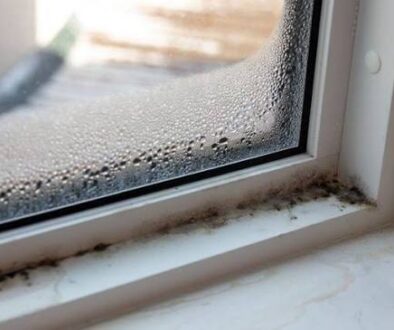
High humidity can absolutely contribute to mold growth.
When indoor humidity stays too high, surfaces can remain damp enough for mold to grow, especially in basements, crawlspaces, bathrooms, laundry rooms, and poorly ventilated areas.
Signs of high humidity include:
Condensation on windows
A clammy feeling indoors
Musty odors
Damp walls or floors
Rust on metal surfaces
Mold around vents or corners
Wet insulation in crawlspaces
If your home feels damp even when it is not raining, humidity may be part of the problem.
How to Help Prevent Mold
The best way to prevent mold is to control moisture. Mold prevention is not about eliminating every spore. That is impossible. The goal is to remove the conditions mold needs to grow.
Helpful steps include:
Fix leaks quickly
Dry wet materials as soon as possible
Keep gutters clean
Direct water away from the foundation
Use bathroom and kitchen exhaust fans
Monitor basement and crawlspace moisture
Keep indoor humidity under control
Repair roof leaks immediately
Maintain HVAC drainage lines
Avoid storing items against damp walls
Call professionals after significant water damage
The faster moisture is handled, the lower the risk of mold growth.
When to Call RestorationRX
You should call a professional if you notice musty odors, visible mold, water stains, damp materials, peeling paint, warped flooring, or moisture problems that keep coming back.
Professional help is especially important if mold may be growing behind walls, under flooring, in a crawlspace, in an attic, inside HVAC areas, or after water damage.
RestorationRX provides mold remediation, water damage restoration, moisture control, crawlspace encapsulation, basement waterproofing, sewage cleanup, storm damage restoration, and fire and smoke damage cleanup.
We serve Ashland, Morehead, Pikeville, Prestonsburg, Portsmouth, Chillicothe, Marietta, Ripley, Charleston, Hurricane, and surrounding areas.
If you are wondering where the mold came from, start by looking for moisture.
Contact RestorationRX today for professional mold remediation and water damage restoration support.