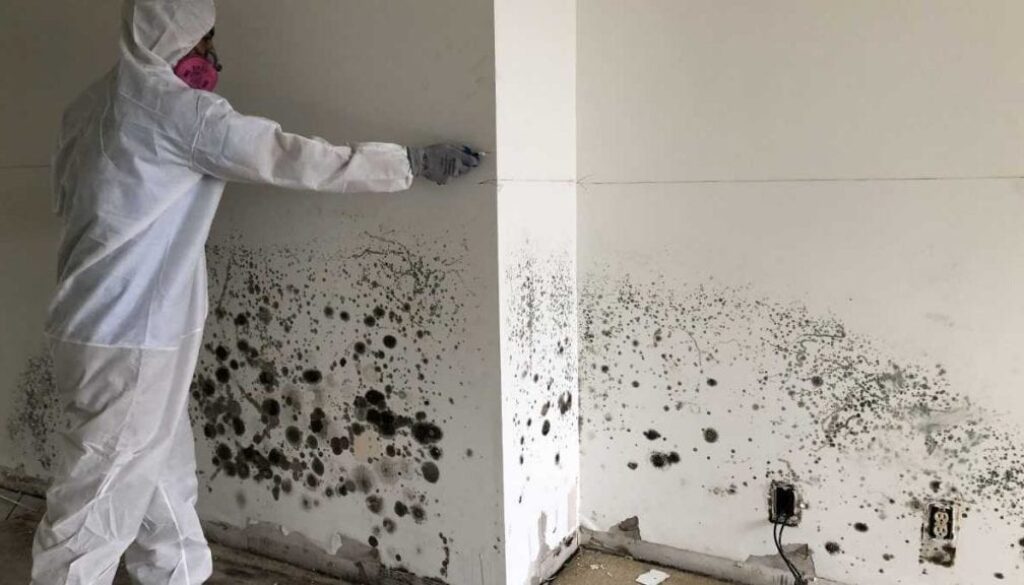
What Happens During Mold Remediation?
What Happens During Mold Remediation?
Finding mold in your home or business can be stressful. It often comes with musty odors, stains, moisture problems, and concerns about indoor air quality. Mold can also aggravate allergies, asthma, coughing, congestion, and other respiratory symptoms, especially for people who are more sensitive to indoor air issues.
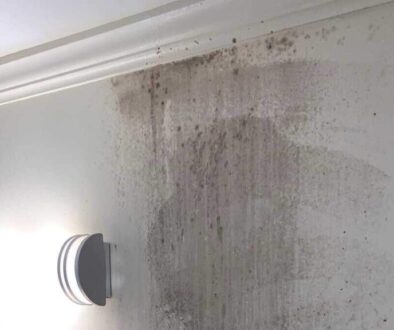
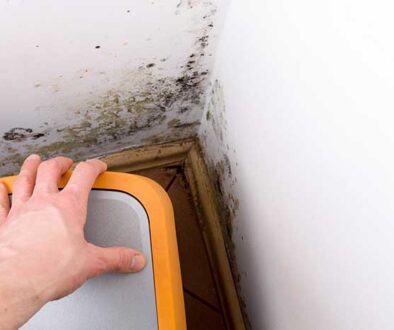
The bigger problem is that visible mold is often only part of the story. Mold may also be growing behind walls, under flooring, inside cabinets, in basements, crawlspaces, attics, or around HVAC systems where moisture has been sitting unnoticed.
That is why mold remediation is about more than wiping away what you can see. It is about finding the moisture source, containing the affected area, removing contaminated materials when needed, cleaning properly, and helping prevent the problem from coming back.
If you are dealing with mold in Morehead, Ashland, Pikeville, Prestonsburg, Portsmouth, Chillicothe, Marietta, Ripley, Charleston, Hurricane, or nearby areas, here is what you should know about the mold remediation process.
What Is Mold Remediation?
Mold remediation is the process of safely addressing mold growth and moisture damage inside a property. The goal is to reduce mold contamination, clean affected areas, remove damaged materials when necessary, and correct the moisture conditions that allowed mold to grow in the first place.
A proper mold remediation process may include:
- Inspection of affected areas
- Moisture detection
- Containment
- Air filtration
- Removal of damaged porous materials
- Cleaning and sanitizing
- Drying and dehumidification
- Odor control
- Prevention recommendations
Mold can spread when it is disturbed, which is why DIY cleanup can be risky. Scrubbing mold without containment or proper filtration may release spores into the air and move contamination to other areas of the property.
Small surface level mold in a limited area may be manageable for some property owners, but larger mold problems, hidden growth, sewage related contamination, storm damage, or mold caused by long term moisture should be handled by professionals.
Step 1: Inspecting the Affected Area
The first step in mold remediation is understanding the extent of the problem. A professional restoration team will inspect the visible mold, check for moisture, and look for signs of water damage that may be feeding the growth.
This may include checking:
- Walls and ceilings
- Flooring and baseboards
- Cabinets and vanities
- Bathrooms and kitchens
- Laundry areas
- Basements and crawlspaces
- Attics
- HVAC equipment and nearby surfaces
- Areas affected by leaks, floods, or storm damage
The inspection helps determine where mold is visible, where hidden moisture may exist, and what needs to be cleaned, dried, removed, or repaired.
Step 2: Finding and Controlling the Moisture Source
Mold needs moisture to grow. If the water source is not corrected, the mold problem can return even after cleanup.
Common moisture sources include:
- Roof leaks
- Plumbing leaks
- Appliance leaks
- Toilet overflows
- Water heater failures
- Basement seepage
- Crawlspace moisture
- Sump pump failure
- Storm water intrusion
- High indoor humidity
- HVAC drainage problems
Before remediation can be effective, the moisture problem must be identified and addressed. This may involve water extraction, structural drying, dehumidification, improved drainage, plumbing repair, or other moisture control steps.
In water damaged areas, RestorationRX may use professional drying equipment to remove moisture from affected materials and reduce the risk of further mold growth.
Step 3: Containing the Area
Once the affected area is identified, containment helps keep mold spores and debris from spreading to clean parts of the property.
Depending on the situation, containment may include:
- Plastic sheeting
- Sealing off affected rooms or sections
- Negative air pressure
- HEPA air filtration
- Controlled access to the work area
- Careful removal of contaminated materials
This step is especially important when mold is disturbed during removal. Without containment, cleanup can accidentally spread the problem instead of solving it.
Step 4: Removing Damaged Materials
Some materials can be cleaned. Others may need to be removed.
Porous materials that have heavy mold growth or long term moisture damage often cannot be fully cleaned in place. These may include:
- Drywall
- Insulation
- Carpet and padding
- Ceiling tiles
- Soft wood materials
- Certain fabrics or upholstered items
Non porous and semi porous materials may be cleaned depending on the extent of contamination and damage. The goal is to remove mold affected materials safely while protecting the rest of the property.
Step 5: Cleaning, Sanitizing, and Air Filtration
After damaged materials are removed, the remaining affected surfaces are cleaned using appropriate methods and antimicrobial products. HEPA vacuums, air scrubbers, and filtration equipment may be used to help reduce airborne particles during the remediation process.
This stage may include:
- HEPA vacuuming
- Surface cleaning
- Antimicrobial treatment
- Air filtration
- Odor control
- Cleaning of nearby contents when needed
The exact process depends on the type of materials affected, the size of the mold problem, and whether the mold was caused by clean water, storm water, sewage, or long term moisture.
Step 6: Drying and Prevention
Cleaning mold is only part of the job. The affected area also needs to be dry. If moisture remains, mold may return.
Professional drying may include:
- Dehumidifiers
- Air movers
- Moisture monitoring
- Ventilation improvements
- Crawlspace moisture control
- Basement waterproofing recommendations
- Repair recommendations for leaks or drainage problems
RestorationRX focuses on both mold remediation and moisture control because the two problems are connected. Removing mold without addressing moisture is like mopping while the faucet is still running. Dramatic, but not useful.
Can You Remove Mold Yourself?
It depends on the size, location, and cause of the mold problem.
DIY cleaning may be reasonable for a very small surface level area on a non porous surface, such as tile or glass. However, professional help is usually the safer choice if:
- The affected area is large
- Mold keeps coming back
- There is a musty odor but no visible source
- Mold is growing on drywall, wood, carpet, or insulation
- The mold followed flooding, sewage, or storm damage
- You have asthma, allergies, or respiratory concerns
- The issue may involve your HVAC system
- You suspect hidden mold behind walls or under floors
When mold is widespread or tied to water damage, proper containment, filtration, removal, and drying matter.
How to Reduce Mold Spores Indoors
Mold spores are naturally present in the air, but indoor moisture problems can allow them to settle and grow. The best way to reduce mold risk is to control moisture.
Helpful steps include:
- Keep indoor humidity under control
- Use bathroom and kitchen exhaust fans
- Fix leaks quickly
- Clean and maintain gutters
- Keep water away from the foundation
- Dry wet materials fast
- Use dehumidifiers in damp areas
- Inspect basements and crawlspaces regularly
- Maintain HVAC drainage lines
- Avoid storing items directly against damp walls
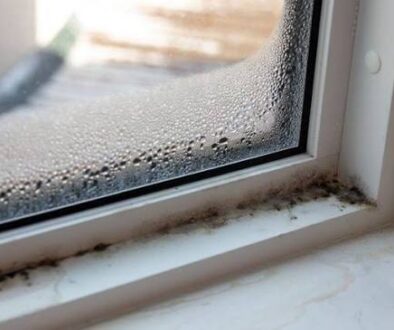
If you notice recurring musty odors, condensation, water stains, or damp materials, do not ignore them. Those are early warning signs that moisture is collecting somewhere.
Call RestorationRX for Mold Remediation
Mold remediation should be handled carefully, especially when moisture damage, hidden growth, or contaminated materials are involved. RestorationRX provides professional mold remediation, water damage restoration, moisture control, sewage cleanup, storm damage restoration, crawlspace solutions, basement waterproofing, and fire and smoke damage restoration.
We serve homeowners and businesses across Morehead, Ashland, Pikeville, Prestonsburg, Portsmouth, Chillicothe, Marietta, Ripley, Charleston, Hurricane, and surrounding areas.
If you suspect mold in your home or business, do not wait for it to spread.
Contact RestorationRX today for professional mold remediation and water damage restoration support.