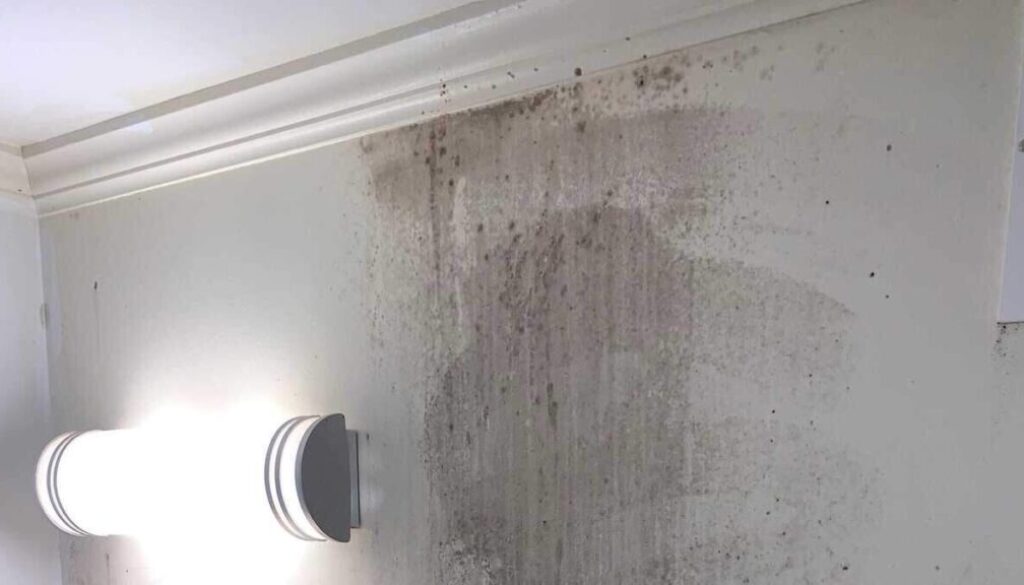
9 Tips to Control Mold Before It Controls Your Home
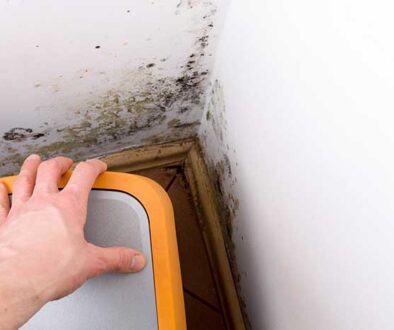
Mold can grow quickly when the right conditions are present. All it needs is moisture, warmth, and something to feed on, such as drywall, wood, carpet, insulation, dust, or other organic materials.
That is why mold prevention starts with moisture control.
Whether you own a home or business in Ashland, Morehead, Pikeville, Prestonsburg, Portsmouth, Chillicothe, Marietta, Ripley, Charleston, Hurricane, or a nearby area, controlling moisture can help protect your property from mold growth, musty odors, structural damage, and indoor air quality problems.
Here are nine practical tips to help control mold before it becomes a bigger issue.
1. Keep Indoor Humidity Under Control
High humidity is one of the biggest causes of indoor mold growth. Basements, bathrooms, laundry rooms, crawlspaces, and poorly ventilated areas are especially vulnerable.
Try to keep indoor humidity at a reasonable level by using dehumidifiers, running your HVAC system properly, and checking damp areas often. If your home feels clammy, smells musty, or has condensation on windows, humidity may already be too high.
2. Improve Ventilation in Bathrooms and Kitchens
Bathrooms and kitchens create a lot of moisture from showers, baths, cooking, dishwashing, and steam. Without proper ventilation, that moisture can settle on walls, ceilings, windows, cabinets, and trim.
Use exhaust fans during and after showers or cooking. If you do not have a fan, open a window when possible and keep the door closed while moisture is being produced. This helps contain humidity and allows it to escape instead of spreading through the home.
3. Dry Wet Areas Quickly
Mold can begin growing when damp materials stay wet too long. That is why spills, leaks, and wet surfaces should be dried as quickly as possible.
Pay attention to:
- Wet bathroom floors
- Damp towels
- Water around sinks
- Leaks under cabinets
- Moisture near appliances
- Wet carpet or rugs
- Basement seepage
- Crawlspace moisture
If water has reached drywall, insulation, flooring, or wood, surface drying may not be enough. Hidden moisture can remain behind the materials you can see.
4. Check for Leaks Regularly
Small leaks can create big mold problems when they go unnoticed. A slow drip under a sink, behind a washing machine, around a water heater, or near a toilet can feed mold for weeks before visible damage appears.
Check these areas regularly:
- Under sinks
- Around toilets
- Behind appliances
- Near water heaters
- Around windows
- In basements
- Inside crawlspaces
- Under HVAC equipment
- Around roof leak areas
If you find staining, soft materials, peeling paint, or musty odors, do not ignore them. Those are warning signs that moisture may be collecting somewhere.
5. Keep Gutters and Downspouts Clear
Clogged gutters can push water where it does not belong. Instead of draining away from the house, water may overflow near the roofline, run down exterior walls, or collect around the foundation.
This can lead to basement water, crawlspace moisture, siding damage, roof edge problems, and eventually mold growth.
Clean your gutters regularly and make sure downspouts direct water away from your home’s foundation.
6. Avoid Overcrowding Closets and Cabinets
Overfilled closets, cabinets, and storage areas can block airflow. When air cannot circulate, moisture can build up in hidden corners and create the perfect environment for mold.
Leave space between stored items and walls, especially along exterior walls, basement walls, and areas that tend to feel cool or damp.
Also avoid storing cardboard boxes, fabric, or paper items directly on basement or crawlspace floors. These materials absorb moisture easily and can become a food source for mold.
7. Keep Carpets and Soft Materials Dry
Carpet, padding, upholstered furniture, curtains, and bedding can hold moisture, dust, skin cells, and organic material. In damp conditions, these materials can support mold growth and unpleasant odors.
Avoid carpet in areas that regularly get wet, such as bathrooms, laundry rooms, and damp basements. If carpet gets wet from a leak, storm, or overflow, act fast.
Wet carpet and padding may need professional drying or removal depending on the water source and how long the material stayed damp.
8. Watch Windows, Walls, and Ceilings for Condensation
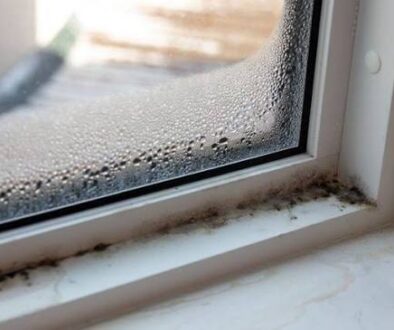
Condensation is a common sign that humidity and temperature differences are creating moisture inside the home. Windows are especially vulnerable because moisture can collect around frames, sills, and trim.
Look for:
- Fogging on windows
- Water droplets on glass
- Mold around window frames
- Peeling paint near windows
- Damp drywall around exterior walls
- Ceiling stains
- Soft or discolored trim
If condensation keeps coming back, the issue may involve humidity, ventilation, insulation, or hidden moisture.
9. Do Not Just Clean Mold, Fix the Cause
Cleaning visible mold without fixing the moisture source is a temporary solution. The stain may disappear, but the problem can return if damp conditions remain.
Before cleaning, ask what caused the mold:
- Was there a leak?
- Is humidity too high?
- Is the crawlspace damp?
- Is the basement taking on water?
- Is the bathroom poorly ventilated?
- Is the HVAC system draining properly?
- Was there past water damage that was never professionally dried?
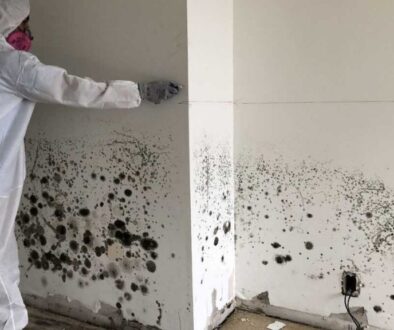
If mold keeps returning, spreads quickly, affects porous materials, or appears after water damage, it is time to call a professional.
When to Call RestorationRX
You should call RestorationRX if you notice visible mold, musty odors, recurring condensation, water stains, damp materials, crawlspace moisture, basement seepage, or mold growth that keeps coming back after cleaning.
Professional mold remediation is especially important when mold may be behind walls, under flooring, inside insulation, in crawlspaces, in basements, or connected to water damage.
RestorationRX provides professional mold remediation, water damage restoration, moisture control, crawlspace encapsulation, basement waterproofing, sewage cleanup, storm damage restoration, and fire and smoke damage cleanup.
We serve Ashland, Morehead, Pikeville, Prestonsburg, Portsmouth, Chillicothe, Marietta, Ripley, Charleston, Hurricane, and surrounding areas.
The best way to stop mold is to stop the moisture that lets it grow.
Contact RestorationRX today for professional mold remediation and moisture control services.