Why Not All Water Damage Is the Same
Why Not All Water Damage Is the Same
Water damage can be stressful, disruptive, and expensive if it is not handled quickly. It can affect your floors, walls, furniture, belongings, and even the structure of your home or business. But one thing many property owners do not realize is that not all water damage is the same.
The source of the water, the level of contamination, the amount of damage, and the materials affected all play a role in how the restoration process should be handled. A small supply line leak is not the same as a sewage backup. A wet carpet from a clean water source is not the same as standing water after a storm.
Understanding the difference can help you respond faster, reduce damage, and know when it is time to call a professional restoration company like RestorationRX.
What Caused the Water Damage?
The first step in understanding water damage is identifying where the water came from. The source often determines the level of risk and the type of cleanup required.
Common causes of water damage include:
- Burst or leaking pipes
- Water heater leaks
- Washing machine or dishwasher overflows
- Toilet overflows
- Heavy rain or storm intrusion
- Sump pump failure
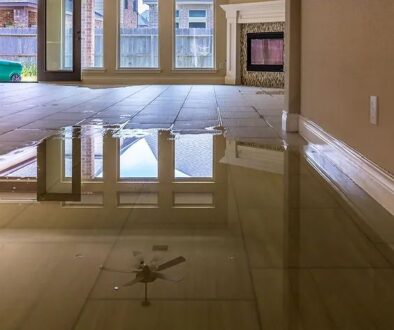
- Basement flooding
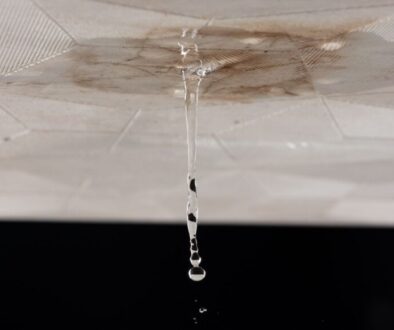
- Roof leaks
- Sewage backups
- Crawlspace moisture problems
Some water damage starts suddenly, like a pipe bursting behind a wall. Other problems build slowly over time, such as hidden moisture in a crawlspace or basement. Both can cause serious damage if they are ignored.
The faster the source is identified and stopped, the better chance you have of limiting damage to your property.
How Severe Is the Damage?
Water damage can look minor at first, but moisture often travels farther than what you can see. Water can soak into carpet padding, subfloors, drywall, insulation, cabinets, and framing materials.
Even a small leak can lead to bigger issues, including:
- Mold growth
- Musty odors
- Damaged drywall
- Warped flooring
- Stained ceilings or walls
- Weakened structural materials
- Damaged furniture and belongings
- Poor indoor air quality
This is why professional moisture detection is so important. At RestorationRX, water damage restoration is not just about removing visible water. It is about finding hidden moisture, drying the affected areas properly, and helping prevent long term problems.
The Three Categories of Water Damage
One of the biggest differences between water damage situations is the category of water involved. Water is commonly classified into three categories based on the level of contamination.
Category 1 Water Damage
Category 1 water is often called clean water. This type of water usually comes from a sanitary source and does not initially pose a major health risk.
Common sources of Category 1 water include:
- Broken supply lines
- Overflowing sinks or bathtubs
- Melting ice or snow
- Appliance supply line leaks
- Rainwater before it contacts contaminated materials
Even though Category 1 water starts clean, it still needs to be addressed quickly. If it sits too long or comes into contact with building materials, dirt, insulation, flooring, or other contaminants, the situation can become more serious.
Clean water damage can still lead to mold growth, damaged flooring, ruined drywall, and structural concerns if it is not dried properly.
Category 2 Water Damage
Category 2 water is commonly known as grey water. This water may contain chemicals, bacteria, or other contaminants that can cause discomfort or illness if people or pets come into contact with it.
Common sources of Category 2 water include:
- Washing machine overflows
- Dishwasher leaks
- Toilet overflows without solid waste
- Sump pump discharge
- Water from certain appliance failures
Category 2 water damage should be handled carefully and cleaned up quickly. If grey water is left untreated, it can become more contaminated over time and may turn into a Category 3 situation.
This is where DIY cleanup can get risky. What looks like “just water” may actually contain contaminants that require proper equipment, cleaning methods, and safety precautions.
Category 3 Water Damage
Category 3 water is the most serious type of water damage. It is often called black water and can contain harmful bacteria, sewage, chemicals, and other hazardous materials.
Common sources of Category 3 water include:
- Sewage backups
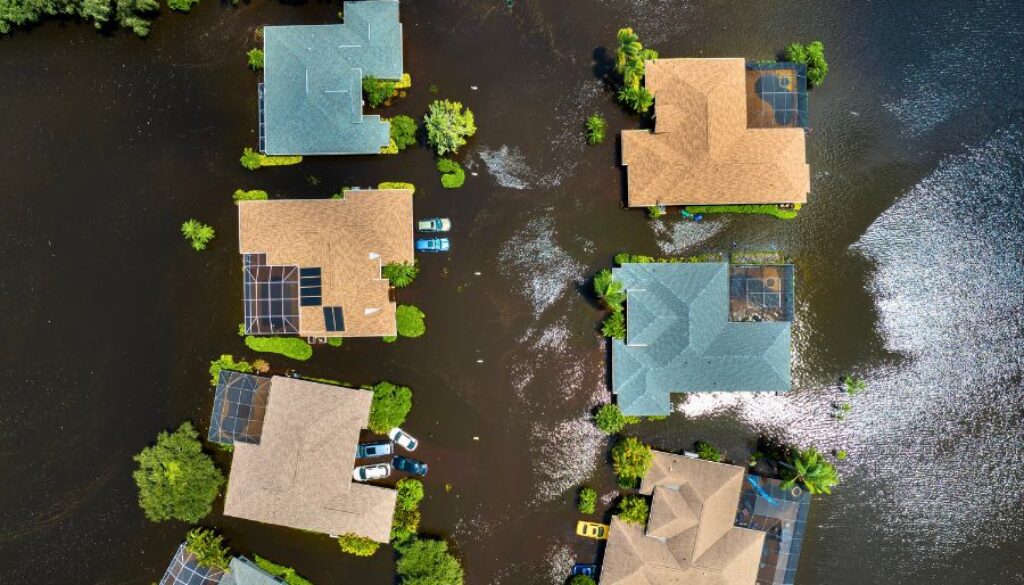
- Flood water
- Storm water entering the property
- Toilet overflows with solid waste
- Contaminated groundwater
- Water from rivers, creeks, or rising flood conditions
Category 3 water damage should never be treated casually. It can create health risks and often requires professional cleanup, removal of contaminated materials, sanitization, and careful drying.
If your home or business has been affected by sewage, flood water, or contaminated storm water, avoid contact with the affected areas and call a professional restoration team immediately.
What Materials Were Affected?
Water damage also depends heavily on what materials were exposed to moisture. Different materials absorb water in different ways, and some are more difficult to restore than others.
Flooring
Hardwood floors may cup, buckle, or warp after exposure to moisture. Laminate and engineered flooring can swell or separate. Carpet and padding can absorb water quickly, making drying and cleanup more complicated.
Drywall and Insulation
Drywall can weaken, stain, crumble, or develop mold after water exposure. Insulation behind walls can hold moisture, creating hidden problems that are not always visible from the outside.
Cabinets and Trim
Wood cabinets, baseboards, and trim can swell, separate, or lose their finish when exposed to water. Moisture can also become trapped behind cabinetry, especially in kitchens, bathrooms, and basements.
Furniture and Personal Belongings
Upholstered furniture, mattresses, documents, electronics, and personal belongings may require special cleaning, drying, or removal depending on the type of water involved.
Structural Materials
If water reaches framing, subfloors, crawlspaces, or basement areas, it can affect the structural integrity of the property over time. This is one reason water damage should always be taken seriously, even when the visible damage seems small.
Water Damage and Mold Growth
Mold is one of the biggest concerns after water damage. When moisture is left behind, mold can begin to grow quickly on drywall, wood, carpet, insulation, and other porous materials.
Common signs of mold or hidden moisture include:
- Musty smells
- Visible spots on walls or ceilings
- Peeling paint
- Soft drywall
- Increased allergy like symptoms
- Persistent dampness
- Discoloration around baseboards or flooring
RestorationRX provides water damage restoration and mold remediation services to help property owners address both the visible damage and the moisture problems behind it.
Water Damage vs. Flood Damage
Water damage and flood damage are not always treated the same by insurance companies. This distinction matters.
Many property insurance policies may cover certain types of sudden water damage, such as a burst pipe or appliance leak. Flood damage, however, often requires a separate flood insurance policy.
Flood damage usually refers to water entering a property from outside sources, such as heavy rain, rising water, storm runoff, overflowing bodies of water, or widespread flooding.
Because coverage can vary, property owners should review their insurance policy and speak with their insurance provider to understand what is covered. RestorationRX can help document damage and assist with the restoration process after water related emergencies.
Why Professional Water Damage Restoration Matters
Water damage cleanup is not just about using towels, fans, or a shop vacuum. Proper restoration requires the right equipment, training, and moisture detection tools.
Professional water damage restoration may include:
- Water extraction
- Moisture inspection
- Structural drying
- Dehumidification
- Removal of damaged materials
- Cleaning and sanitizing
- Odor control
- Mold prevention
- Documentation for insurance purposes
At RestorationRX, our team responds with the equipment and experience needed to help protect your property from further damage. Whether you are dealing with a burst pipe, flooded basement, appliance leak, sewage backup, storm damage, or hidden moisture issue, we are ready to help.
Call RestorationRX for Water Damage Restoration
If your home or business has water damage, do not wait for the problem to get worse. Fast action can help reduce damage, prevent mold growth, and protect the structure of your property.
RestorationRX provides professional water damage restoration, mold remediation, fire and smoke damage cleanup, sewage cleanup, storm damage restoration, moisture control, crawlspace solutions, and basement waterproofing services.
When water damage happens, RestorationRX is ready to respond with speed, precision, and care.
Contact RestorationRX today for dependable water damage restoration services.