
Fall Mold Prevention Checklist
Fall Mold Prevention Checklist for Your Home
Fall is one of the best times to check your home for moisture problems before colder weather settles in. As leaves collect in gutters, temperatures drop, windows stay closed more often, and basements or crawlspaces hold onto damp air, the risk of mold growth can increase.
Mold does not need much to grow. Give it moisture, an organic surface, and poor airflow, and it can start spreading behind walls, under floors, in basements, crawlspaces, attics, bathrooms, and around HVAC systems.
For homeowners and businesses in Ashland, Morehead, Pikeville, Prestonsburg, Portsmouth, Chillicothe, Marietta, Ripley, Charleston, Hurricane, Russell, and surrounding areas, fall is the right time to look for early warning signs and fix moisture problems before they become bigger winter issues.
Here is a practical fall mold prevention checklist from RestorationRX.
Why Mold Can Become a Problem in the Fall
Fall weather creates several conditions that can lead to mold growth. Outdoor humidity may still be present, leaves can block drainage, cooler surfaces can create condensation, and homes often get less fresh airflow as windows stay closed.
At the same time, moisture problems from summer storms, roof leaks, plumbing issues, or crawlspace humidity may still be hiding inside the home.
Common fall mold risks include:
Clogged gutters and downspouts
Basement moisture
Crawlspace dampness
Condensation around windows and doors
Roof leaks
Poor ventilation
Dirty HVAC filters
Musty odors after summer humidity
Water pooling near the foundation
Wet leaves and debris trapping moisture
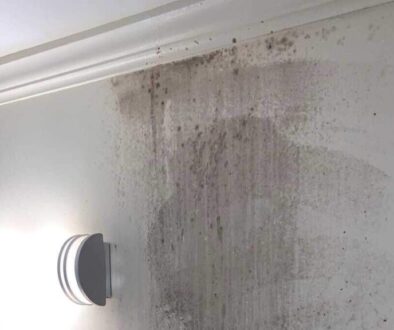
Mold prevention is not about waiting until you see black spots on a wall. By then, the problem may already be established. The smarter move is to control moisture early.
1. Control Indoor Humidity
High indoor humidity is one of the most common causes of mold growth. When indoor air holds too much moisture, dampness can collect on walls, windows, ceilings, vents, and hidden surfaces.
During fall, try to keep indoor humidity under control by using dehumidifiers in damp areas, especially basements and crawlspaces. Make sure bathrooms, kitchens, and laundry rooms have proper ventilation.
Signs of high indoor humidity include:
Condensation on windows
A clammy feeling indoors
Musty odors
Damp basement walls
Moisture around vents
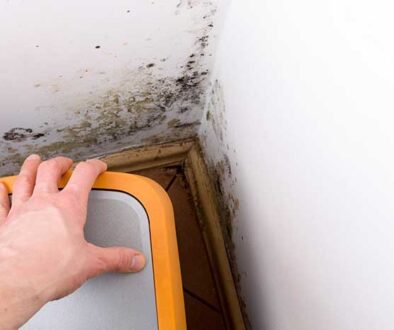
Mold spots near corners or baseboards
If your home feels damp even when the temperature is comfortable, humidity may be too high.
2. Check Windows and Doors
Cooler fall temperatures can create condensation around windows and doors. If seals, caulking, or weatherstripping are damaged, moisture may enter the home or collect around frames.
Inspect windows and doors for:
Condensation
Peeling paint
Soft or swollen trim
Cracked caulking
Water stains
Drafts
Musty odors nearby
Dark spots around frames
Moisture around windows may seem minor, but it can affect drywall, wood trim, insulation, and wall cavities over time.
If you see recurring condensation or staining around the same window or door, do not ignore it. That small wet area may be telling you something useful before it becomes expensive.
3. Clean Gutters and Downspouts
Fall leaves can clog gutters quickly. When gutters and downspouts are blocked, water may overflow near the roofline, run down exterior walls, or pool near the foundation.
This can lead to:
Roof edge damage
Water intrusion
Basement leaks
Crawlspace moisture
Foundation seepage
Siding damage
Mold growth inside walls or lower areas of the home
Clean gutters and downspouts regularly during fall, especially after heavy leaf drop or storms. Make sure downspouts direct water away from the foundation, not directly beside the house.
Good drainage is one of the simplest ways to reduce mold risk. Boring, yes. Effective, absolutely.
4. Inspect Basements and Crawlspaces
Basements and crawlspaces are two of the most common places for hidden moisture and mold. They are also easy to forget because they are not part of daily living space.
During fall, check these areas carefully.
Look for:
Standing water
Damp soil
Wet insulation
Musty smells
Mold like staining
Soft wood
Efflorescence on concrete walls
Condensation on pipes or ductwork
Pest activity
Sagging or damaged vapor barriers
A damp crawlspace can affect more than the area under your home. Air from the crawlspace can move upward into living areas, carrying odors, moisture, and indoor air quality concerns with it.
If your basement or crawlspace smells musty, there is usually a moisture problem behind it.
5. Check HVAC Systems and Vents
Your HVAC system plays a major role in airflow, humidity control, and indoor air quality. When filters are dirty, vents are blocked, or moisture collects around HVAC equipment, mold risk can increase.
Before colder weather arrives, check:
Air filters
Supply vents
Return vents
Condensate drain lines
Air handler areas
Ductwork near damp spaces
Musty smells when the system turns on
Replace dirty filters and make sure vents are not blocked by furniture, rugs, storage boxes, or curtains.
If a musty smell gets stronger when your HVAC system runs, the source may be inside the system or in nearby damp materials. That is a sign worth investigating.
6. Look for Early Signs of Mold
Mold is easier to deal with when it is caught early. Unfortunately, the first signs are not always dramatic.
Watch for:
Musty odors
Dark spots on walls or ceilings
Water stains
Peeling paint
Bubbling wallpaper
Warped flooring
Soft drywall
Condensation
Damp carpet
Allergy like symptoms that get worse indoors
Mold often grows in areas where moisture is trapped, including bathrooms, kitchens, laundry rooms, basements, crawlspaces, attics, closets, and around windows.
If you notice the same smell or stain returning after cleaning, the surface is probably not the real problem. The moisture source is.
7. Fix Leaks Before Winter
Fall is a smart time to deal with small leaks before freezing temperatures, winter storms, and heavier seasonal moisture make things worse.
Check for leaks around:
Roof areas
Plumbing lines
Water heaters
Dishwashers
Washing machines
Toilets
Sinks
Basement walls
Foundation cracks
Windows and doors
A leak that seems minor in October can become a bigger water damage problem later. Moisture is patient. It will sit quietly, soak into materials, and then announce itself at the worst possible time.
8. Keep Storage Areas Dry and Organized
Overpacked closets, basement corners, crawlspace storage, and cluttered utility rooms can block airflow and trap moisture. Mold can grow on cardboard, paper, fabric, wood, and stored belongings if those items are exposed to damp conditions.
To reduce risk:
Keep items off basement floors
Avoid storing cardboard in damp areas
Leave space between storage and walls
Use plastic bins instead of cardboard boxes
Do not block vents
Check stored items for musty smells or staining
If storage areas smell damp, there may be moisture collecting nearby.
9. Know When to Call a Professional
Some mold prevention steps are simple, but professional help is needed when the problem is hidden, recurring, widespread, or connected to water damage.
Call RestorationRX if you notice:
Persistent musty odors
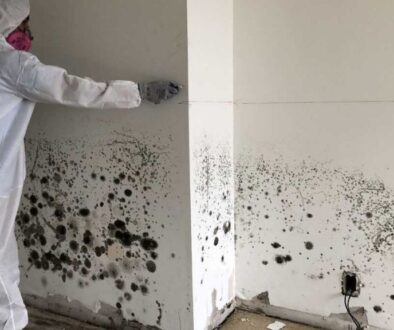
Visible mold
Basement or crawlspace moisture
Water stains
Wet drywall or flooring
Mold that keeps coming back
Storm related water intrusion
Sewage backup
Roof or plumbing leaks
High indoor humidity that will not improve
Professional mold remediation is not just about cleaning visible mold. It involves finding the moisture source, containing the affected area, removing damaged materials when needed, drying the space properly, and helping prevent the problem from returning.
Why Fall Mold Prevention Matters
Fall is the season where small moisture problems can quietly set the stage for bigger winter damage. Closed windows, poor airflow, wet leaves, basement moisture, crawlspace humidity, and condensation can all create conditions where mold can grow.
The good news is that early action can make a major difference.
By controlling humidity, cleaning gutters, checking basements and crawlspaces, inspecting windows and doors, and watching for musty odors, you can lower the risk of mold and protect your property before the problem spreads.
Call RestorationRX for Mold Remediation and Moisture Control
If you suspect mold or moisture problems this fall, do not wait for the issue to get worse.
RestorationRX provides professional mold remediation, water damage restoration, moisture control, crawlspace encapsulation, basement waterproofing, sewage cleanup, storm damage restoration, and fire and smoke damage restoration.
We serve Ashland, Morehead, Pikeville, Prestonsburg, Portsmouth, Chillicothe, Marietta, Ripley, Charleston, Hurricane, Russell, and surrounding areas.
A little prevention this fall can help avoid bigger mold problems this winter.
Contact RestorationRX today for professional mold remediation and moisture control support.